/ Shipped Android Work

Everything here ran on a device.

Titles and apps documented by what shipped: mechanics, platform decisions, release dates. Store links are live. Nothing here is a concept.
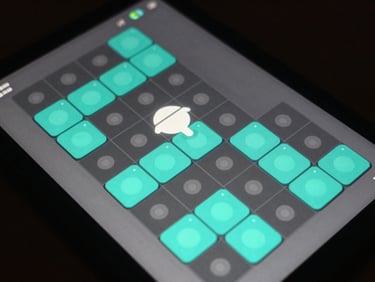
Close-up of an Android game UI screen showing a grid-based puzzle mechanic, touch targets highlighted in teal, frame counter visible in corner, dark background, even studio lighting
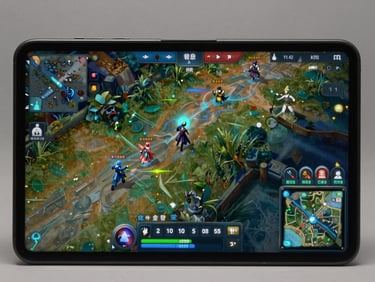
Android device screen showing a real-time strategy game interface with unit selection overlays, minimap in lower right, teal active-state highlights, flat studio lighting, no bokeh
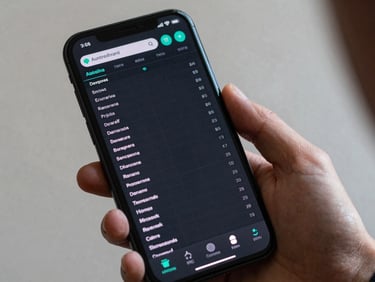
Android phone held at working angle displaying a utility app with structured data tables, monospace typography, dark UI, status indicators in teal, neutral daylight lighting
Puzzle / Android
Strategy / Android
Utility / Android

Gridlock: Tile Logic

Fieldwork: Unit Command

Logframe: Dev Tracker

Turn-based spatial puzzle. Custom gesture resolver, no third-party input layer. Shipped Q2 2023. 60 fps on mid-range hardware.

Real-time strategy built around Android multi-touch priority. Frame budget held at 16 ms. Shipped Q4 2023. Native input pipeline, no engine abstraction.

Internal tooling released publicly. Tracks build metrics and crash deltas on-device. Shipped Q1 2024. Zero external SDK dependencies.
— Platform Decisions

Android-native means no abstraction layer.

Every project page documents the platform choices: input handling, threading model, memory budget. The decisions are visible because they were deliberate.

Shipped dates don't lie.

The release history is the argument. Frame counts, store links, and platform notes are in every project entry. Inspect the work.